
Three gadgets. One shift. Physical AI has moved from buzzword to reality, and the proof is sitting on your wrist, in your pocket, and unfolding across a 10-inch screen. At GadgetEon, we don’t cover specs for the sake of it, we cover the devices that change how you live.
This is that list for 2026.
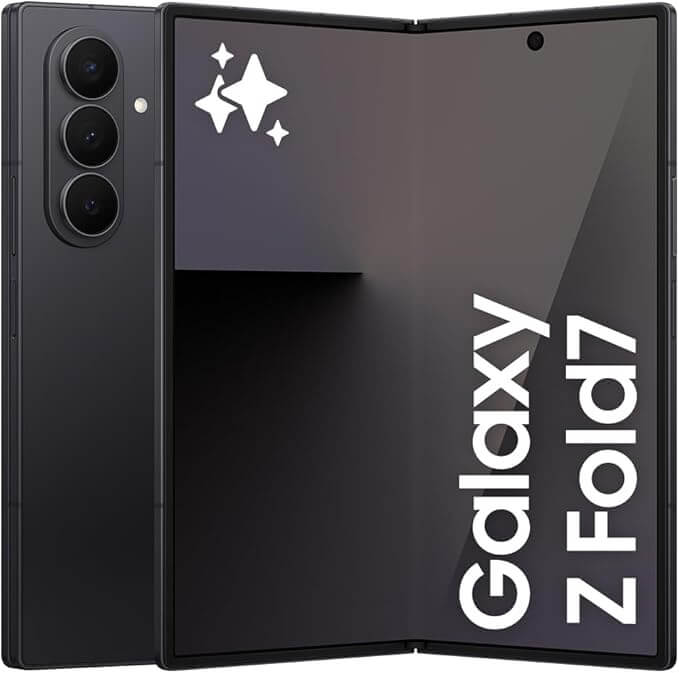
The Galaxy Z TriFold doesn’t iterate on the foldable formula, it closes the argument. For 2026, the question was never whether foldables could be powerful; it was whether they could be essential.
With the Snapdragon 8 Elite processing AI tasks entirely on-device, the TriFold operates as a true Physical AI hub: it anticipates your workflow, adapts its interface across three screen configurations, and handles pro-grade multitasking without ever pinging an external server.
The 200MP camera and AMOLED display aren’t specs for a spec sheet, they’re tools for professionals who left the desktop behind. This is the device that makes carrying a laptop feel like a choice, not a necessity.
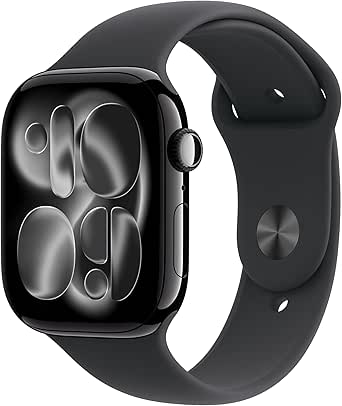
The introduction of FDA-cleared hypertension monitoring marks a genuine turning point. This is the first consumer wrist device that crosses from lifestyle gadget into clinical-grade instrument.
Powered by the S10 chip’s on-device Neural Engine, every metric, your heart rhythm, blood oxygen, sleep architecture, and now blood pressure trends, is processed locally. Your cardiologist doesn’t need to see it before you do.
For the Physical AI era, that’s the standard: hardware that is proactive, private, and medically credible. Paired with the refined aluminum build and the most accurate fitness sensors Apple has shipped, Series 11 isn’t an upgrade. It’s a reclassification of what a watch is allowed to be
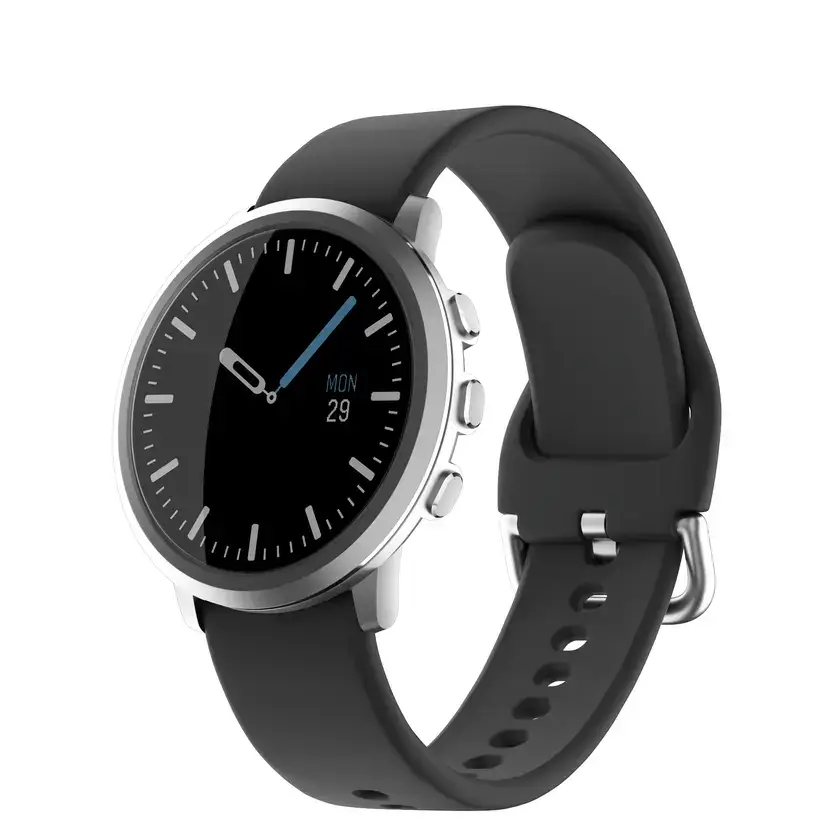
In a year defined by devices doing more, the Pebble Round 2 wins by doing exactly enough. Its 14-day battery isn’t a party trick, it’s a philosophical statement about what Physical AI should feel like: ambient, invisible, and always available without the anxiety of a dying battery.
The e-paper display consumes a fraction of the power of AMOLED rivals while remaining readable in conditions where those rivals go dark.
The open-source AI notification layer is quietly the most underrated feature of 2026, a local model that learns your attention patterns and filters your wrist accordingly.
No subscription, no cloud processing, no data harvested. For users who want intelligence without intrusion, the Pebble Round 2 is the most honest gadget of the year.
Productivity, finally unchained
The TriFold's 10-inch unfolded canvas renders the phone-vs-tablet debate permanently obsolete, with full desktop-class multitasking now fits in your pocket.
Your wrist, your cardiologist
Series 11's FDA-cleared hypertension monitoring turns every heartbeat into a real-time clinical data point, continuous, passive, and life-saving.
14 days, zero compromise
With its e-paper display and ruthlessly efficient firmware, the Pebble Round 2 sets the new gold standard for battery autonomy, redefining what "always-on" truly means.
AI that never leaves the device
Each device processes its AI models entirely on-chip, your health data, your work, and your habits never touch an external server, making 100% privacy the default, not a premium feature.
From massive to invisible
The 2026 form-factor spectrum is staggering: the TriFold unfolds into a 10-inch powerhouse while the 8.1mm Pebble Round 2 disappears on your wrist, proving great technology comes in every shape.
One brain, three bodies
Together, these three devices form a seamless ambient intelligence loop, the Pebble senses, the Watch monitors, and the TriFold acts, creating a proactive assistant that predicts your needs before you voice them.
Side-by-side specs to help you pick the right device — by GadgetEon
| Spec |
📱
Samsung Galaxy
Z TriFold |
⌚
Apple Watch
Series 11 |
🕐
Pebble
Round 2 |
|---|---|---|---|
| Display |
7.6″ Tri-fold AMOLED 2176 × 1812 px Largest Screen |
1.99″ LTPO OLED Always-On Retina |
1.3″ Memory LCD Always-On E-paper Lowest Glare |
| Key Feature | Triple-fold form factor with S Pen & DeX desktop mode | Advanced health suite: ECG, blood glucose & crash detection | Open-source OS, customisable watch faces & minimal distraction mode |
| Battery Life |
~12 hrs (heavy use) |
~36 hrs (standard mode) |
~30 days (e-paper standby) Best Battery |
| Price | $1,999 | $499 | $179 |
Prices are indicative launch MSRPs. GadgetEon — Hands-on reviews you can trust.
GadgetEon
Find the best AI gadgets for your workflow at GadgetEon. From smart wearables to AI home tools, read verified guest posts and reviews from tech industry experts
© 2026 copyright all right reserved.